I don’t think I fell in love with wildlife all at once.
It happened slowly.
So slowly, in fact, that for most of my childhood, I didn’t even realise it was happening.
I just thought I was curious.
While other children came home from school and switched on cartoons, I sat by a window.
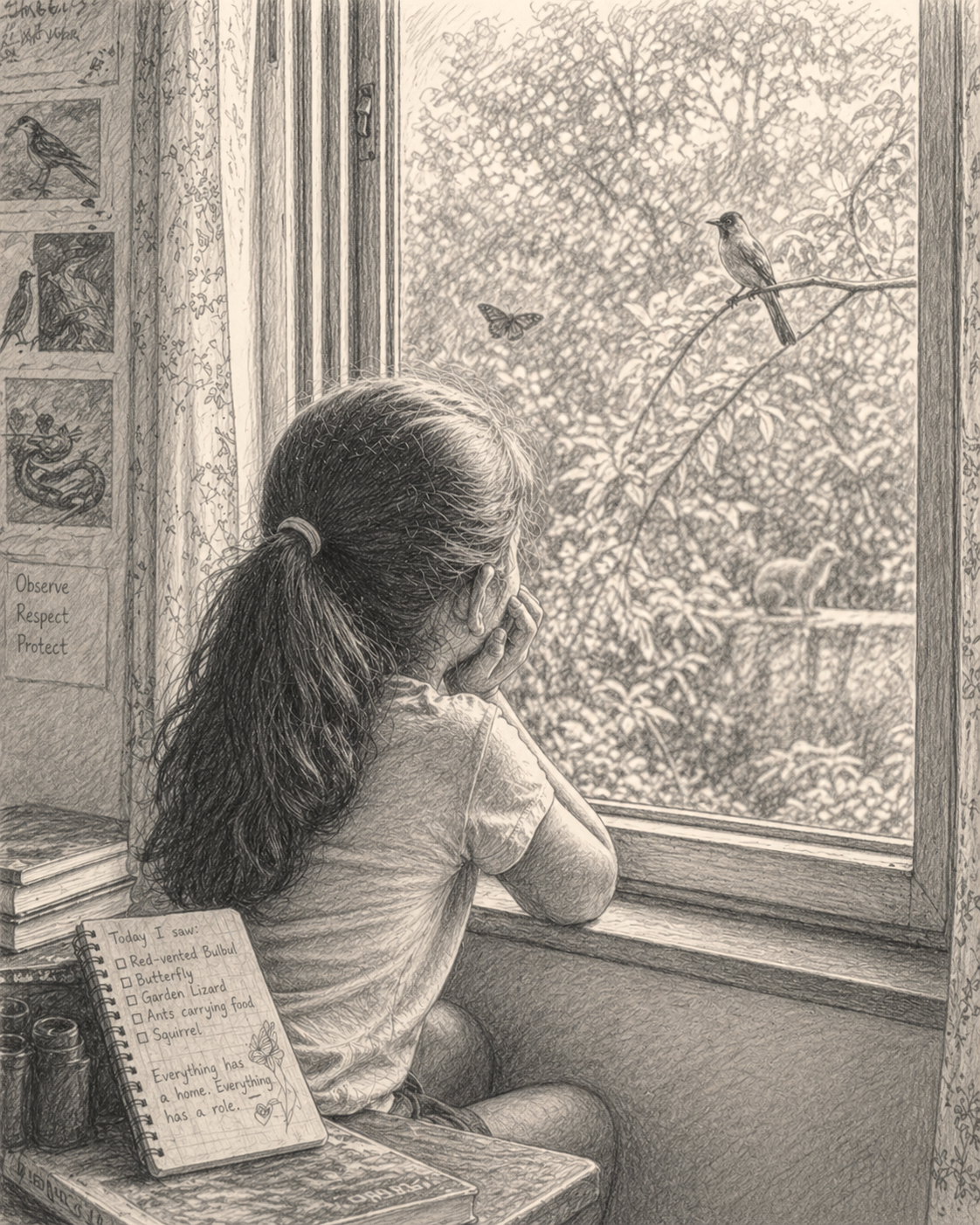
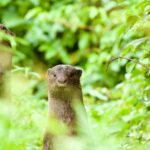
From there, I watched the world outside our building with an attention that, looking back now, probably confused everyone around me. Birds on trees. Squirrels darting between branches. Insects gathering after rain. Snakes slithering through overgrown patches of grass. Mongoose babies moving in careful lines behind their mother.
I could spend hours watching them.
My mother would eventually call out from another room asking why I was still staring outside instead of finishing homework.
I never had a proper answer for her.
I only knew that the world outside felt alive in a way I couldn’t explain.
One of the first signs that this fascination ran deeper than a passing childhood phase came when I was three years old.
My school principal called my mother in for a meeting. She assumed I had gotten into trouble.
Instead, the principal said:
“Your daughter keeps running out of class behind a bird.”
The bird was a coucal — dark-feathered, with rich brown wings that flashed beautifully in sunlight. Every time it appeared near the school garden, I would leave whatever I was doing and follow it outside.
I still find myself smiling when I see one today.
At the time, though, nobody around me really understood this obsession. Even I didn’t fully understand it.
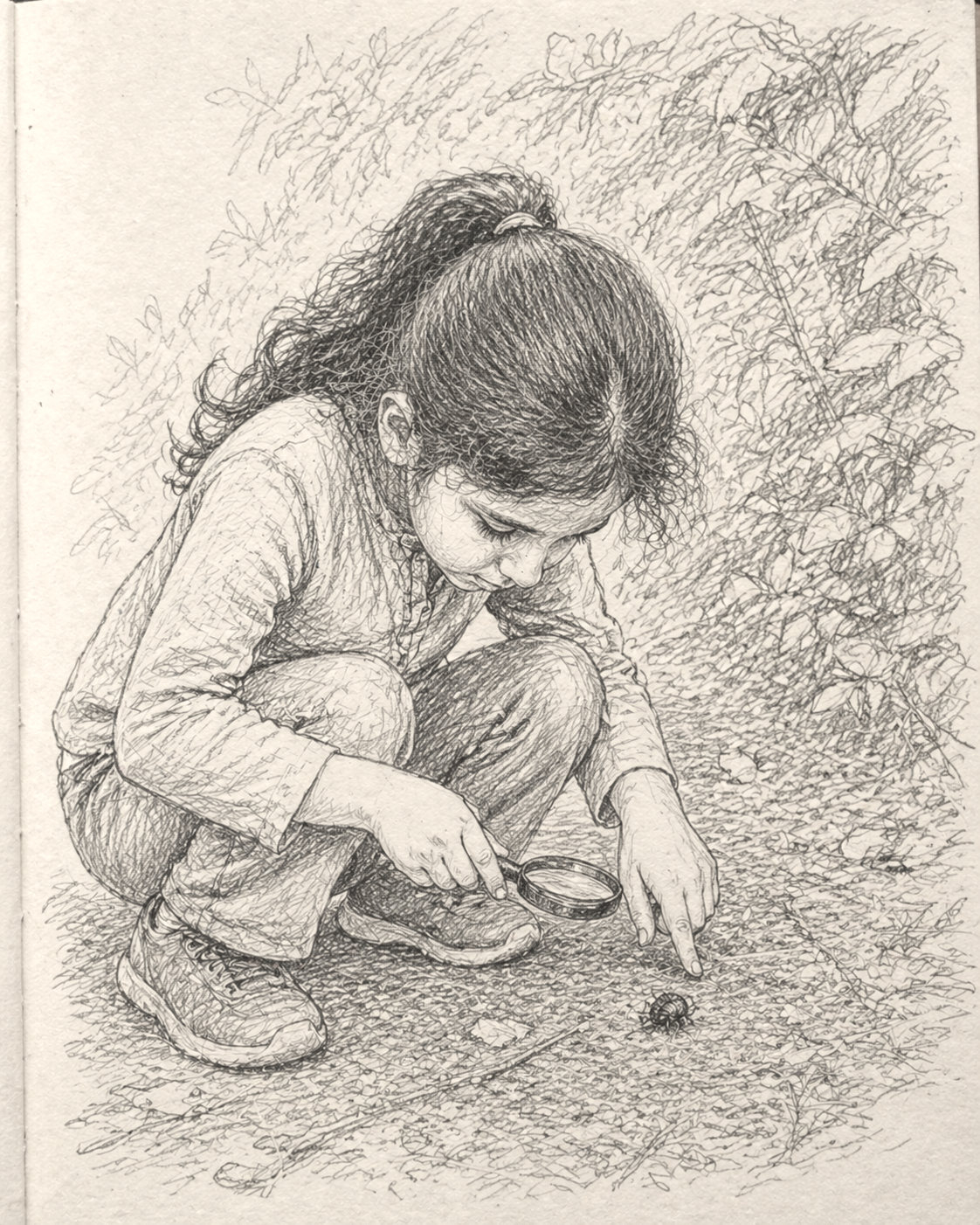
I would stop family walks because I had spotted an unusual insect. I crouched beside bushes watching beetles disappear beneath leaves. I once secretly brought home a tiny red velvet mite in a matchbox because I was super fascinated and at the same time terrified I would never see one again.
It died before the next morning.
I cried for hours.
That moment stayed with me for a long time.
Not because I had lost a tiny insect, but because it taught me something important very early: loving something does not mean taking it from where it belongs. So I learnt and started observing from a distance.
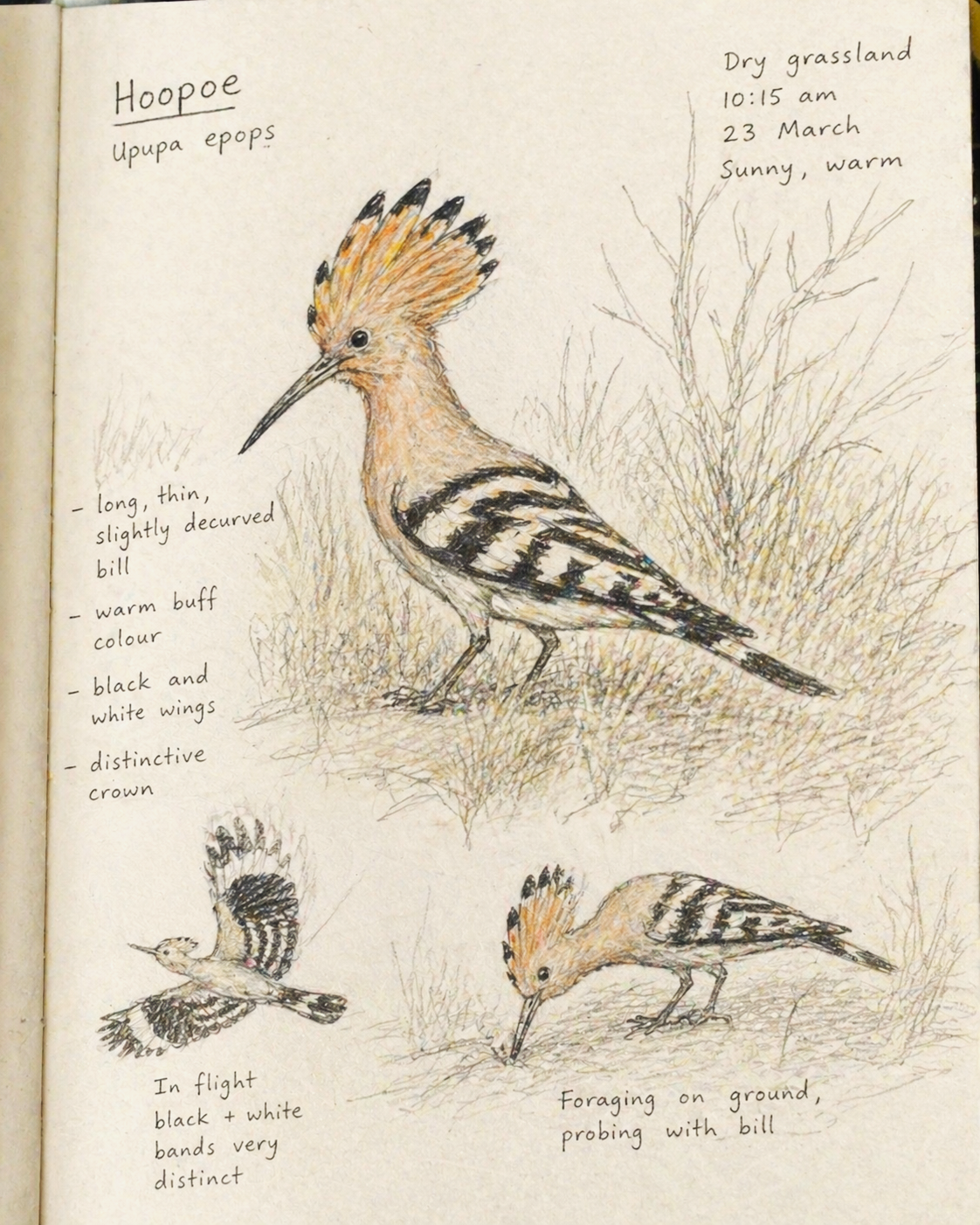
One day, by the window, I was mesmerised by the open grassland around my home where hoopoes visited every summer. I loved those birds deeply. I watched them for hours as they searched through the ground for insects.
Then, suddenly I got to know, the land was cleared to build a public garden.
Everyone around me thought it was a wonderful idea.
I remember feeling heartbroken.
The hoopoes never came back.
At that age, I didn’t understand habitat loss or disappearing ecosystems. I only understood that something beautiful had vanished, and somehow I was the only one mourning it.
As I grew older, my curiosity became more serious.
This was before information was easy to access online, so I spent hours searching through wildlife books trying to identify birds and insects I had seen. I learned through field guides, nature documentaries, and observation.
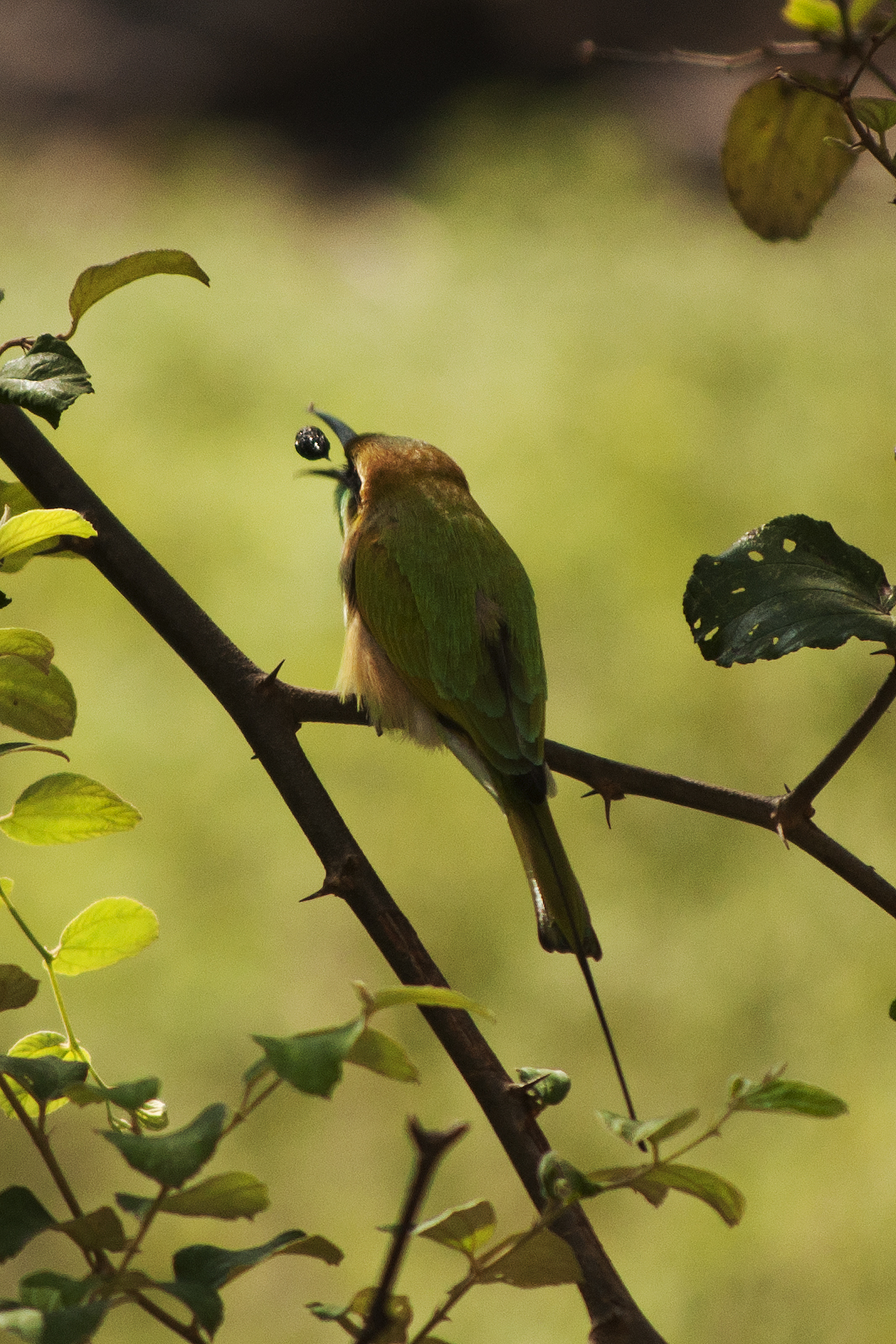
I carried a pair of binoculars and a camera everywhere.
A seasoned birder once told me:
“If you really want to learn, sketch what you see.”
So I started paying attention differently.
The shape of wings.
The curve of beaks.
Patterns on scales.
Movement.
Behaviour.
Without realising it, I was teaching myself how to observe.
But despite all this, wildlife still didn’t feel like a real career option.
At least not where I grew up.
People around me knew about doctors, engineers, business degrees. Wildlife felt like something people explored on weekends as a hobby.
So I followed the expected route for a while. I studied business and marketing because it felt practical and safe.
But something never sat right.
Even while studying, I found myself constantly pulled back toward forests, animals, field guides and questions I couldn’t stop asking.
Eventually, that pull became impossible to ignore.
I began signing up for wildlife workshops and expeditions whenever I could.
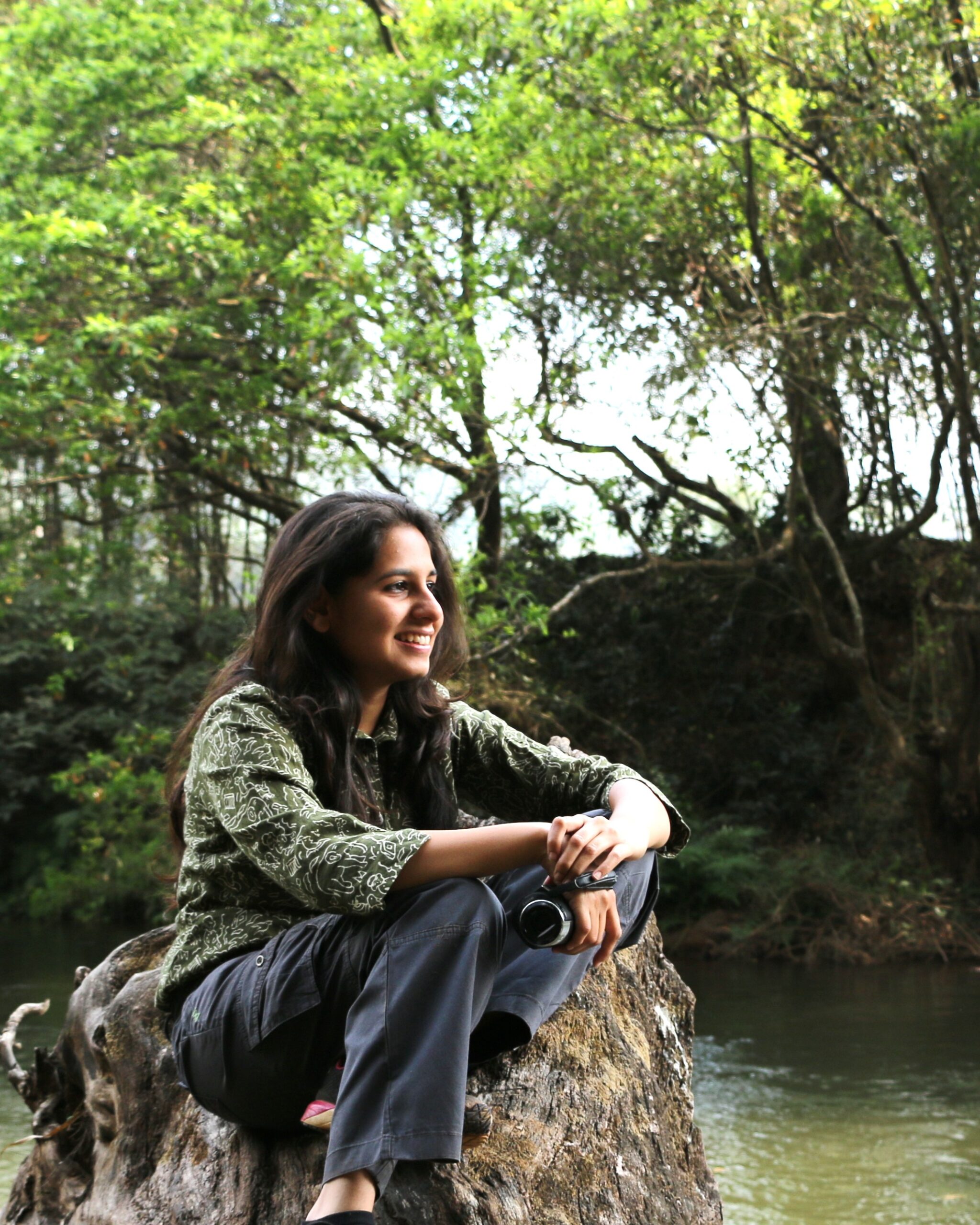
Every trip felt like opening a door into a world I had been searching for my entire life.
For the first time, I met people who didn’t think my fascination was strange.
People who spent nights looking for reptiles through forests.
People who spoke about ecosystems with the kind of excitement I had only ever felt privately.
And then, one expedition changed everything for me.
Through it, I met a mentor who saw something in me before I fully saw it in myself. She encouraged me to explore conservation seriously and introduced me to people already working in the field.
Soon after, I attended a workshop at a herpetology centre called Madras Crocodile Bank Trust.
I still remember arriving there for the first time — sandy pathways, shared student cottages, long conversations about wildlife over simple meals, crocodile enclosures stretching through the landscape.
For the first time in my life, I felt like I belonged somewhere.
During those few days, I learned more than just facts about reptiles.
I learned that there were people building entire lives around curiosity.
That this world I had loved for years could actually become a future.
I returned home completely changed.
I told my parents I want to build a life in wildlife conservation instead.
It terrified everyone, including me.
There was no clear roadmap ahead.
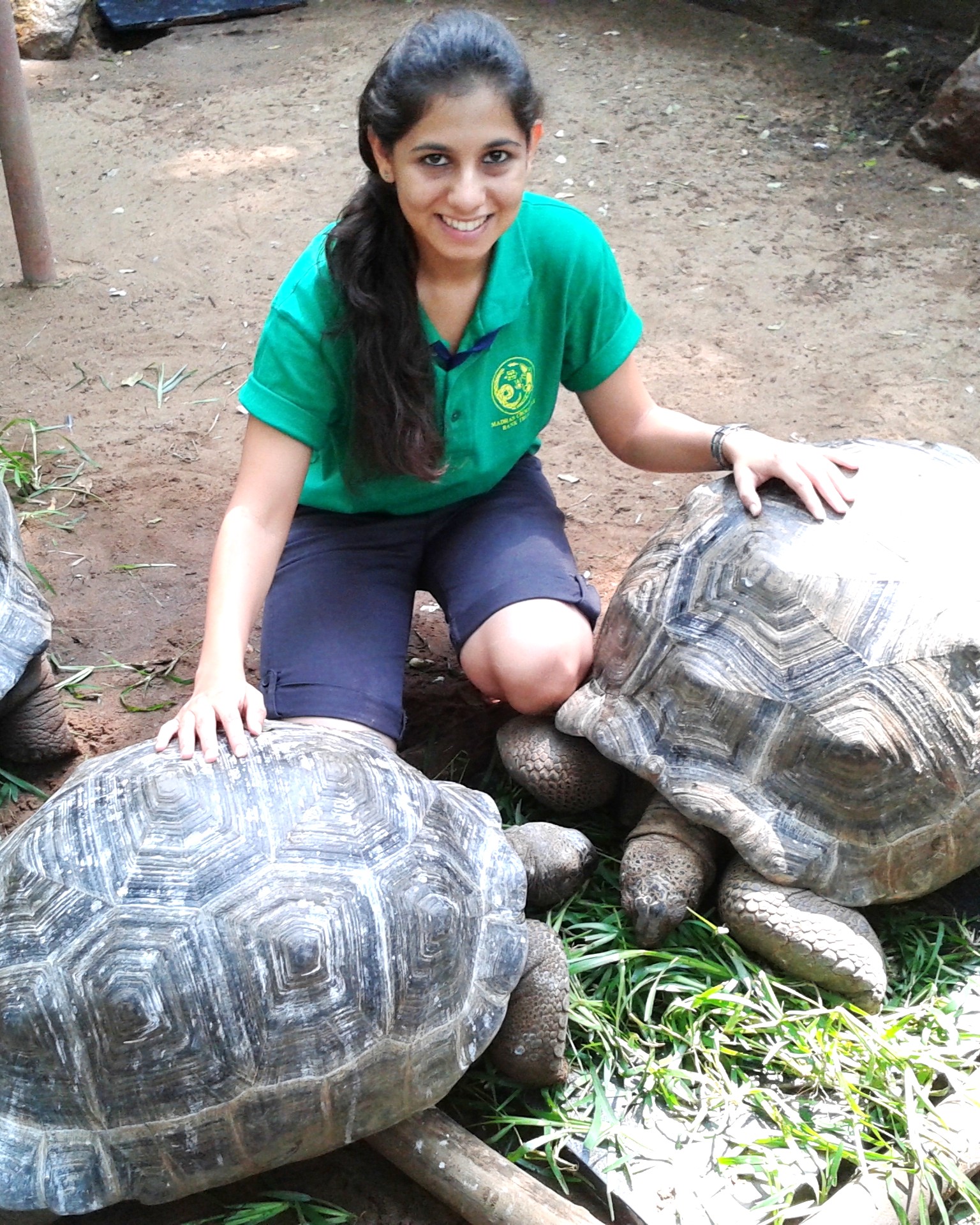
So I started creating one for myself.
For the next few years, I immersed myself in learning.
I volunteered wherever I could. I attended workshops constantly. I travelled for field expeditions. I spent long periods doing self-study because I needed to catch up.
I asked questions constantly.
I attended conferences just to sit in rooms full of researchers and absorb whatever I could.
Slowly, piece by piece, the gap between passion and profession started narrowing.
Eventually, I applied for a master’s program in conservation ecology at the Durrell Institute of Conservation & Ecology, UK.
Honestly, when the acceptance letter arrived, it felt surreal.
For years, wildlife had been something I secretly loved.
Suddenly, I was stepping fully into it.
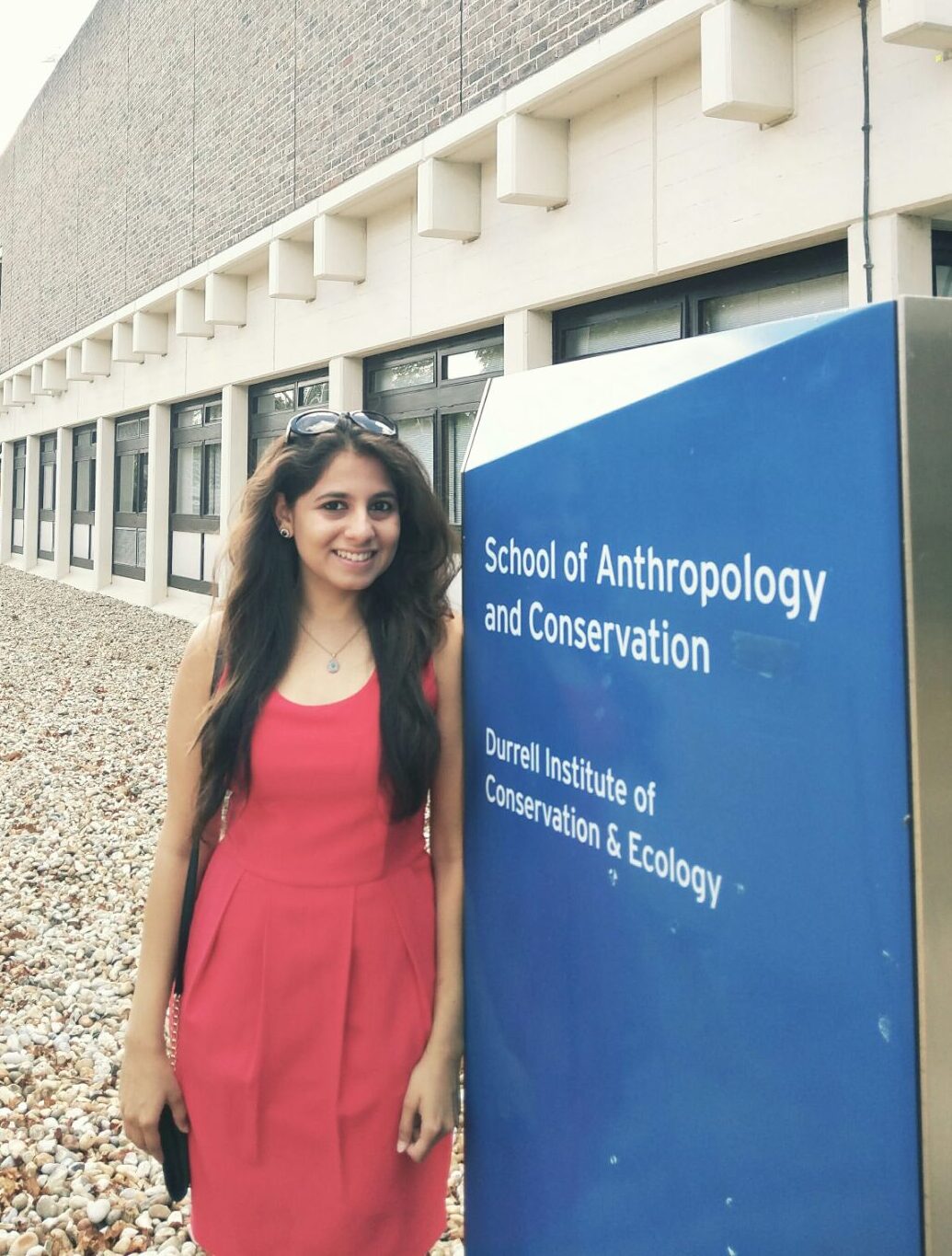
My master’s changed me in ways I still carry today.
Not just academically, but emotionally.
It also taught me humility.
The more I learned, the more I realised how much there still was to understand.
After my master’s, I continued working across different conservation projects and field studies. Every project taught me something different.
Over time, those experiences shaped what eventually became Vanasa.
Not as some grand plan.
But as a continuation of everything that came before it.
The child staring out of a window.
The teenager sketching birds from memory.
The young adult trying to figure out whether passion could become a life.
The student travelling across forests and field stations searching for direction.
Vanasa grew from all of it.
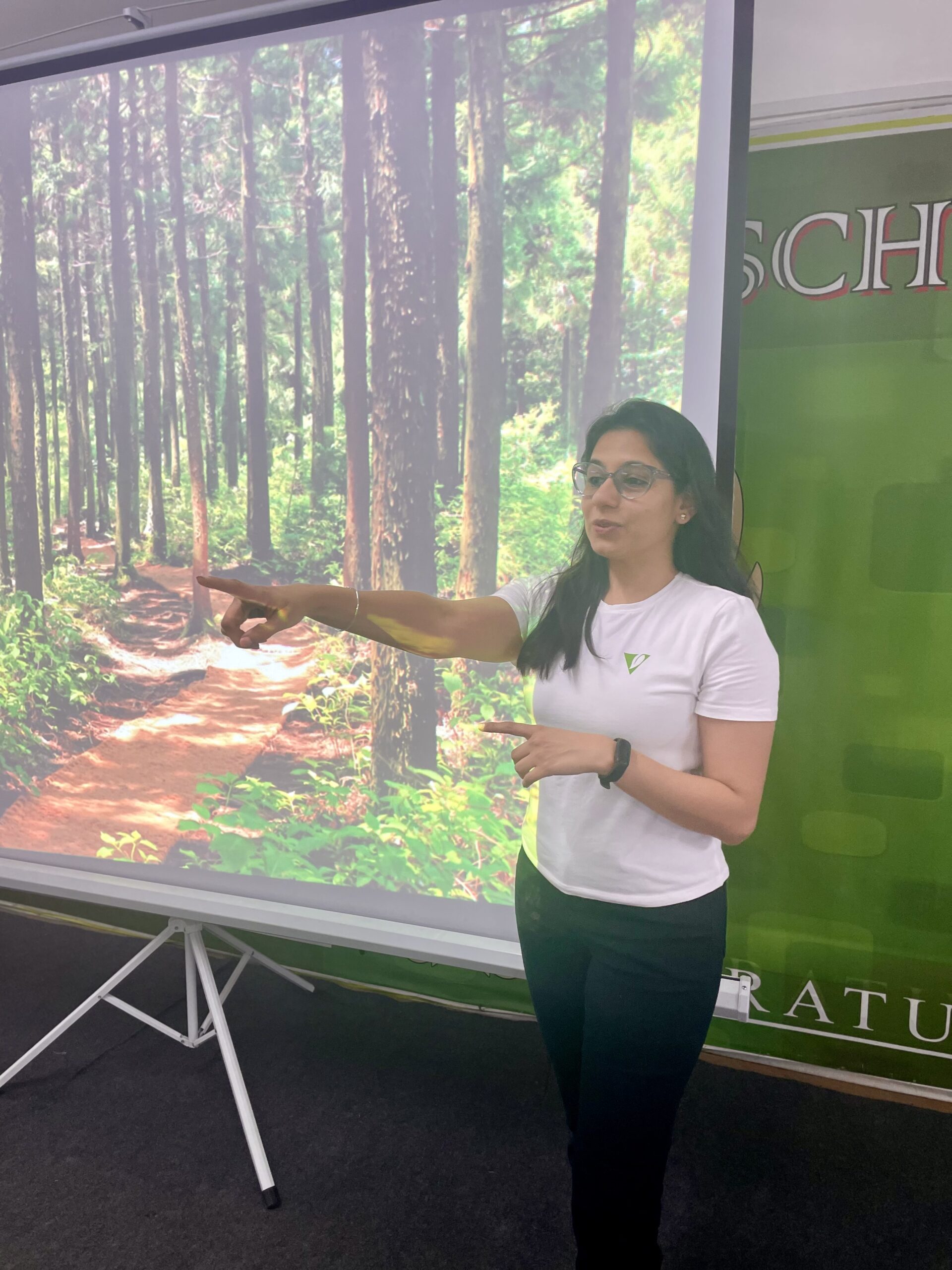
And maybe that’s why, even today, I still think conservation begins with something very simple:
To care enough to keep asking questions.
I think about young people entering this field now, especially those who feel uncertain because their journey doesn’t look traditional or straightforward.
I understand that feeling deeply.
But if this journey has taught me anything, it’s this:
There is no single way to arrive here.
Sometimes the path begins in forests.
Sometimes it begins in books.
Sometimes it begins with grief for a hoopoe that never returned.
And then, without realising it, you spend your entire life following the dreams you first saw from your window.