Remember our Conservation 101 blog? We established one thing pretty early on:
Wildlife conservation is about helping species and the ecosystems they depend on survive, so life can keep going.
Simple enough? But there’s a little more to unpack here.
Because when we say wildlife conservation, what exactly are we talking about?
The species?
Its habitat?
Well… both.
Let’s take them one at a time.
Say we’re talking about a particular species.
Maybe its numbers are declining. Maybe it’s facing a specific threat. Maybe we’re trying to understand what it needs to survive and recover.
That’s where species conservation comes in.
It’s about getting to know that species a little better — its population, behaviour, needs and the specific pressures it faces — and understanding what kind of intervention it needs, if any.
And sometimes, those pressures have little to do with the health of its habitat.
A species could have plenty of food and shelter and still face challenges such as illegal hunting or trade that directly affect its survival. So even if the habitat is doing well, the species may still need specific attention.
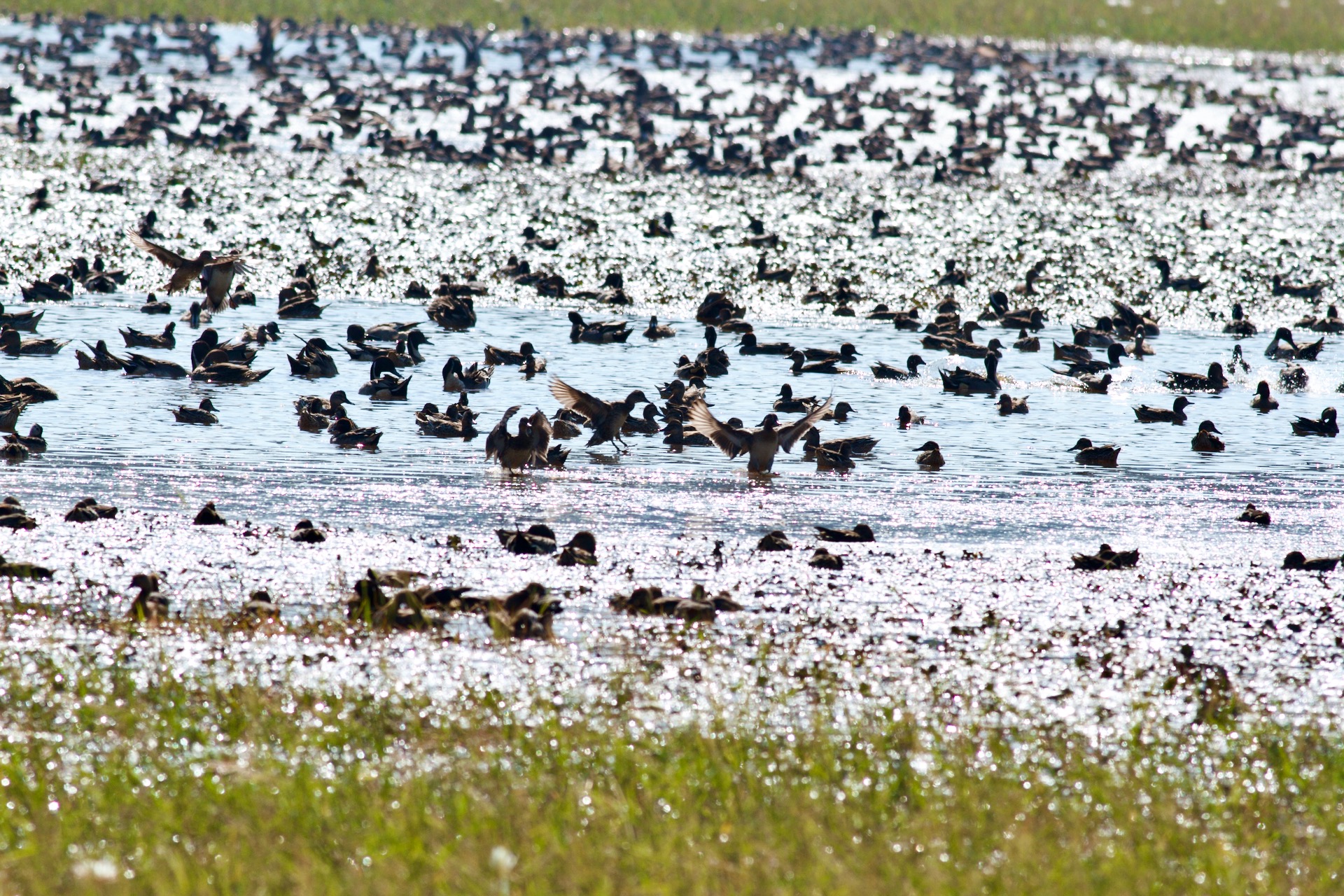
Now, if we zoom out and look at the place it lives in, this is where habitat conservation comes in.
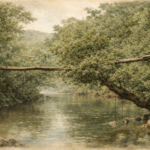
A forest, wetland, grassland, and river, for example.
The idea is fairly straightforward: try to preserve the habitats and keep them healthy enough to support the life that depends on them.
Think of it like hair loss.
If you are experiencing hair loss, you’d probably want to try to prevent it from getting more damaged.
That’s just hair conservation. And, just like hair, wildlife conservation also takes time and patience.
But they’re not separate worlds.
A species needs its habitat.
And a habitat is made up of — and supports — many species.
Sometimes, the best way to conserve one is to conserve the other.
And perhaps that’s the takeaway here:
You can’t always fully separate what you’re trying to conserve from what supports it… whether that’s a healthy volume of hair and a healthy scalp, or a species and its habitat. Even though either might need some focused attention from time to time.