Physical Address
304 North Cardinal St.
Dorchester Center, MA 02124
Physical Address
304 North Cardinal St.
Dorchester Center, MA 02124

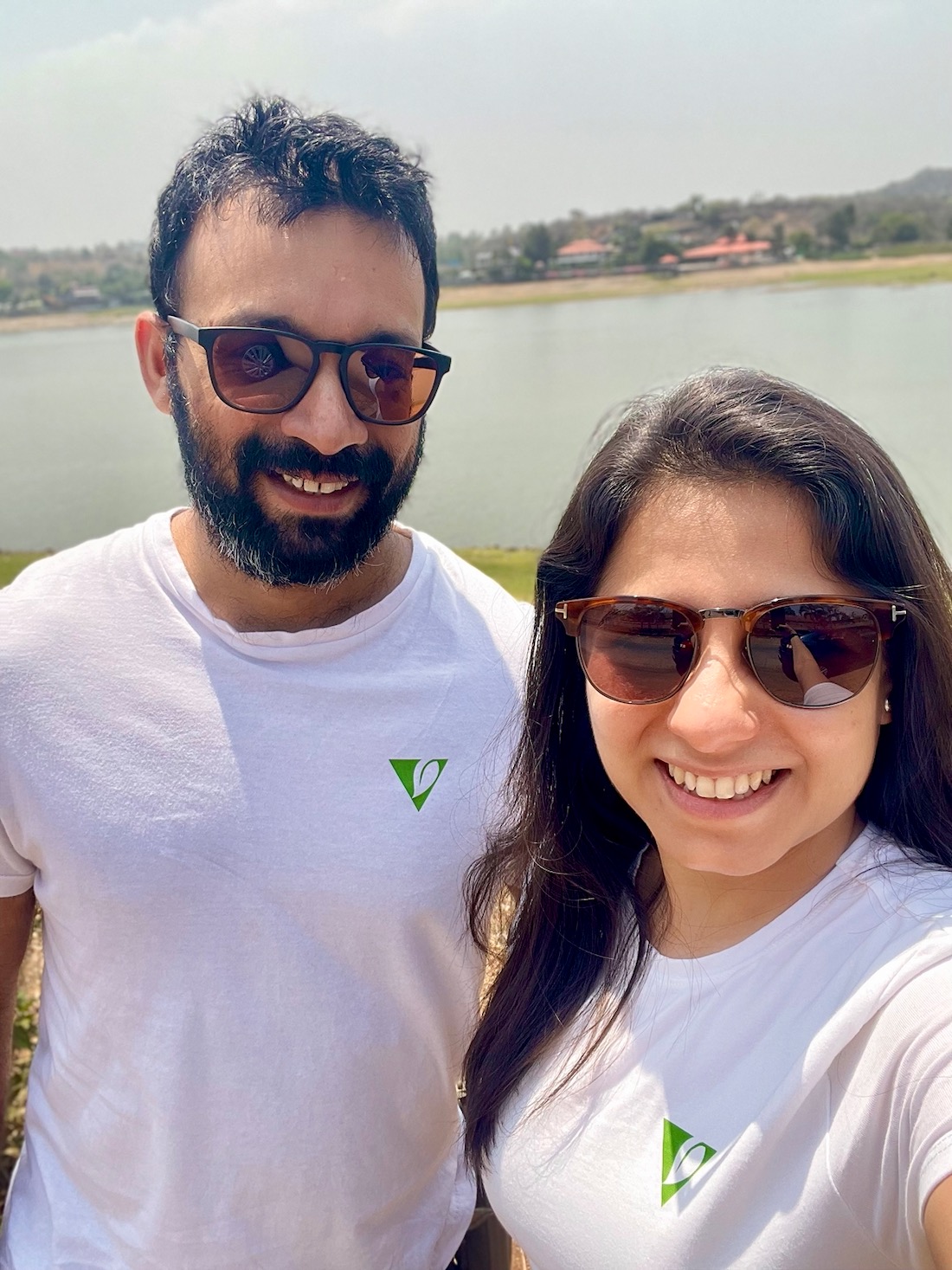
Vanasa Conservation Foundation was established in 2023, shaped by years of field experience and a growing recognition of a persistent gap in conservation practice. While efforts often centre on iconic wildlife, much of the ecological work that sustains ecosystems is carried out by lesser-known species that are frequently overlooked, yet essential.
Born in the field, Vanasa was created to ensure that conservation attention, knowledge, and care extend beyond the visible and celebrated, to the many species that quietly maintain ecological balance. By advocating for a more inclusive and holistic approach, the foundation seeks to strengthen conservation at its roots, supporting species survival, ecological resilience, and outcomes that reflect how nature truly functions.
Vanasa Conservation Foundation is a field-rooted conservation organisation working at the intersection of research, on-ground action, and knowledge sharing. Through long-term fieldwork and research, we focus on understanding lesser-known wildlife species, the spaces they inhabit, and their role within broader conservation landscapes.
Our work across diverse habitats has reinforced a central belief: effective conservation begins with species survival on the ground, but its impact grows when knowledge from the field is shared and applied. Alongside research and field initiatives, we engage closely with students, early-career conservationists, and practitioners by sharing tools and insights shaped by real field experience. This approach recognises that conservation is not only about generating data, but about ensuring that learning is carried forward, adapted, and built upon.
Over time, our work has also highlighted a recurring challenge: much of conservation knowledge remains inaccessible, often confined to technical reports, academic language, or formats with limited reach. In response, Vanasa is strengthening its outreach through a dedicated digital arm designed to complement and extend our field-based efforts. This platform will function as a resource hub, bringing research-led, field-tested knowledge into the public domain and making it accessible, relevant, and usable beyond the field.

The name Vanasa is derived from the Sanskrit word vana (वन), meaning “forest.” It reflects our grounding in natural systems and our commitment to conserving habitats, biodiversity, and lesser-known species.
Our emblem echoes this ethos. The V represents strength and forward movement, while the green leaf nested within symbolises forests as living systems essential to life on Earth. Together, these elements express our enduring dedication to biodiversity conservation.

Conservation attention often gravitates toward large or charismatic animals, yet ecosystems are sustained by a far wider web of life. Lesser-known species such as small mammals, reptiles, amphibians, and insects that play critical roles in nutrient cycling, pollination, population regulation and ecosystem stability.
When these species are overlooked, entire systems become vulnerable. By focusing on lesser-known wildlife, we aim to strengthen conservation at its foundation and ensure that conservation efforts reflect how nature truly functions, not just what is most visible.

Co-founder and Director
Akshita is a wildlife biologist with a Master’s degree in Wildlife Conservation from the Durrell Institute of Conservation and Ecology (DICE), UK. She also has a strong interest in Conservation Project Management and is certified by WildTeam, UK. With over a decade of experience as an ecologist, she brings extensive expertise in wildlife sciences and has worked with a diverse range of species, from insects and reptiles to mammals. From managing research projects to conducting behavioural observations, Akshita adopts a holistic and multidisciplinary approach in her work.
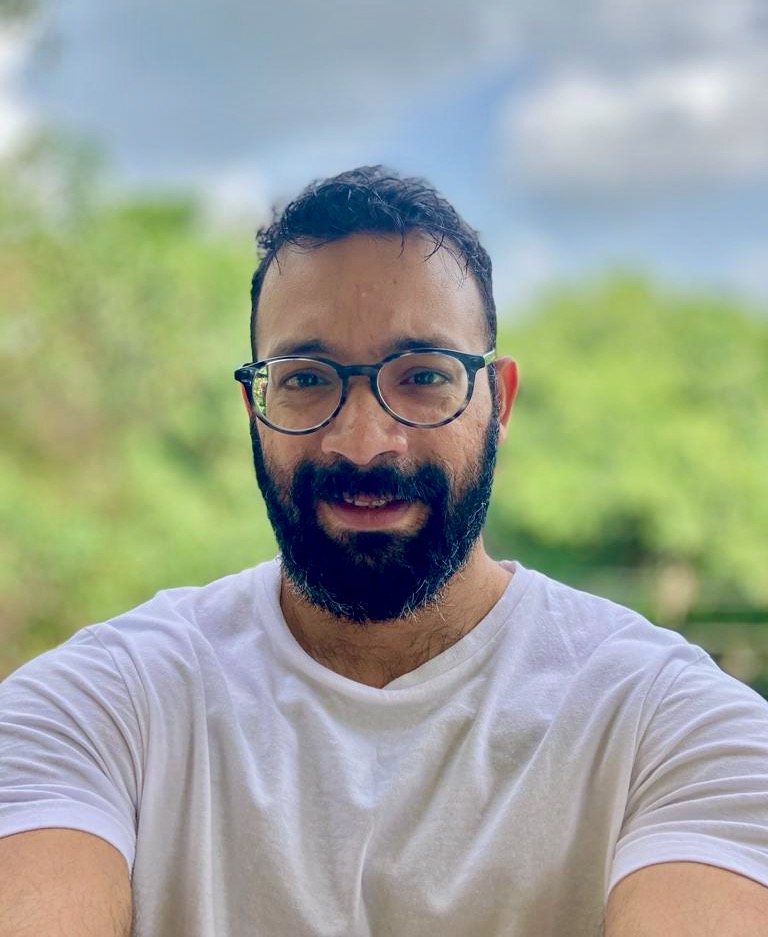
Co-founder and Director
Atul is an expert on otters, a multidisciplinary innovator, and an educator. In 2013, he successfully documented the presence of the Asian Small-clawed Otter in Goa. In 2014, he was honoured with the Future Conservationist Award by the Conservation Leadership Program for his otter conservation work in Goa. In 2019, Atul confirmed the presence of the Eurasian Otter in Arunachal Pradesh. From 2017-2021, he was the West Asia Continental Coordinator for the IUCN/SSC Otter Specialist Group. He also holds a keen interest in small mammals and authored the book Small Mammals of Goa.