Physical Address
304 North Cardinal St.
Dorchester Center, MA 02124
Physical Address
304 North Cardinal St.
Dorchester Center, MA 02124

Have you ever played Chain Reaction with someone?
You place one orb.
They place two.
You place three.
And then—without warning—the board flips.
Cells burst, colours spill and suddenly what you thought was your game… isn’t anymore.
There’s always that one moment where you pause and think,
Wait… when did this change?
That’s how it often feels.
And it’s not very far from how wildlife conservation works.
Let’s break it down, shall we?
Think of the last animal you noticed. Not on a screen.
In real life.
A bird on an electricity wire.
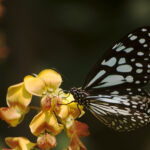
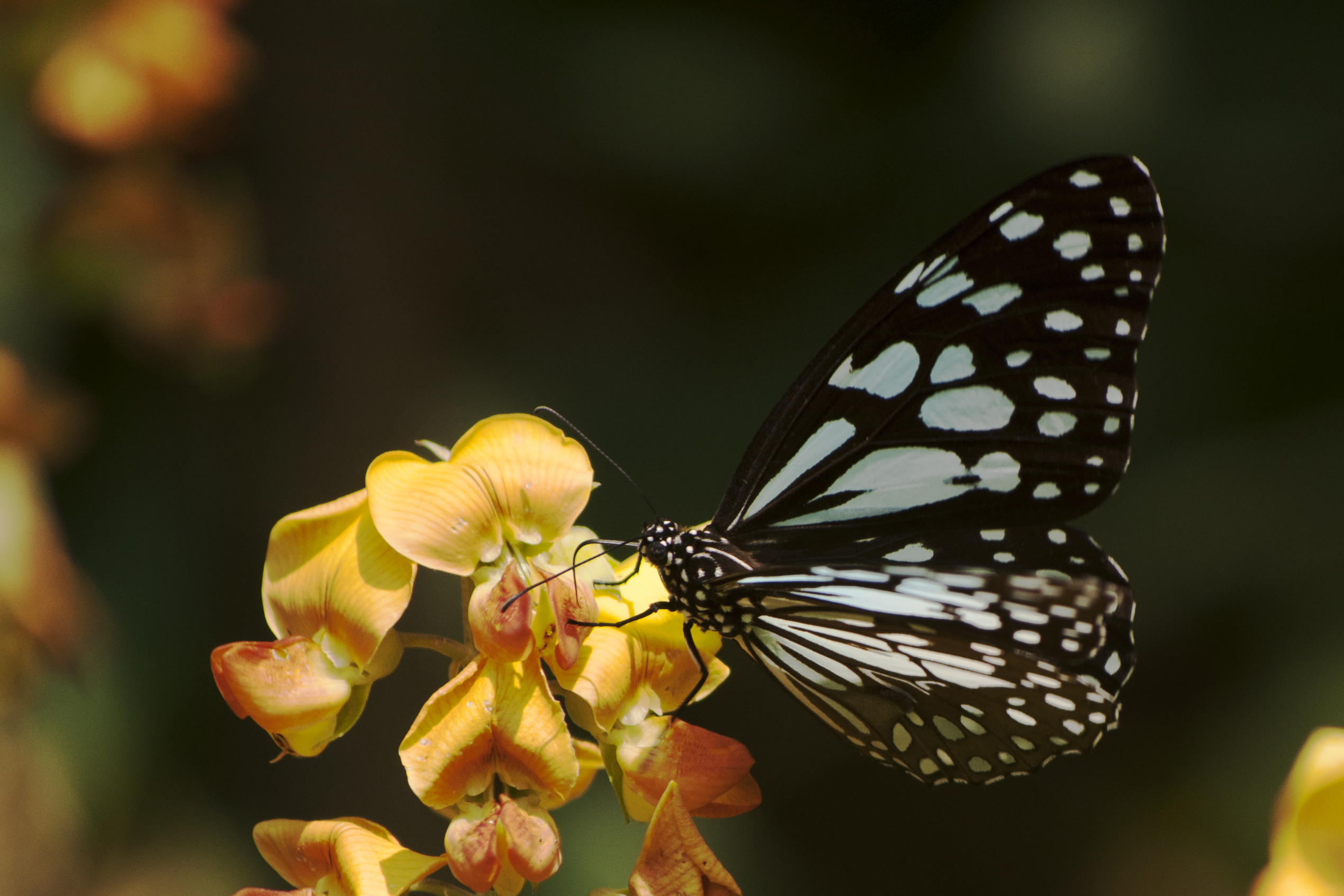
A butterfly passing by.
That right there? That’s where conservation begins.
In that small shift from looking to seeing.
So what is wildlife conservation?
At its simplest, wildlife conservation is the practice of protecting threatened species and the ecosystems they live within so they can continue to exist.
Not preserving them like objects.
Not controlling them.
But allowing life to carry on in their ecosystem.
Because here’s the thing:
In the natural world, nothing shows up alone.
There are no solo acts. Only collaborations.
That bird or butterfly? Not just passing by.
Everything is a part of something bigger.
Even when it may not be as simply visible to the naked eye.
So conservation isn’t about stepping in like a hero.
It’s about not interrupting an ecosystem that’s already working.
“But why should I care?”
You don’t have to.
Nature doesn’t demand participation.
But it does shape the conditions you live in.
Here’s a thought you might enjoy sitting with:
You’re not watching nature like a show.
You’re… in the cast.
The air you just breathed?
The water you drank?
The food you ate?
There’s an entire system behind it.
Conservation isn’t a favour you do for nature.
It’s more like understanding the house rules of a place you already live in.
Now, if this were a game,
then the question isn’t just what do I do?
It’s what kind of player am I?
The observer:
The one who notices patterns and shares them with others?
The contributor:
The one who actively participates in conservation actions?
The storyteller:
The one who changes how others see the board?
Because conservation doesn’t come with one role.
It comes with many entry points.
A bowl of water for birds to sip from or bathe in.
A piece of writing that gets someone curious.
A choice to not disturb something you don’t fully understand yet.
Not grand moves.
Just… calculated ones.
Lastly, imagine a water tank.
Completely full.
You don’t think twice, do you?
You use it abundantly.
Now imagine that same tank,
but it’s less than half.
Nothing dramatic has happened.
And yet… something changes.
You begin to notice.
You begin to adjust.
You begin to conserve.
And that’s really what conservation is.
A shift in how you act based on what you understand.
Because, like Chain Reaction, it’s never just one move.
It’s what that move sets into motion. Now, having understood conservation better, tell us:
What have you noticed about wildlife around you lately?