Sometimes the health of a forest is not revealed by what you see, but by what you no longer hear.
When people think of wildlife conservation, attention often goes to large or familiar animals that are easy to recognise, photograph and celebrate. These species become the faces of conservation, while much of the natural world quietly works in the background. Ecosystems are not held together by a few visible stars, but by countless small lives that rarely draw attention.
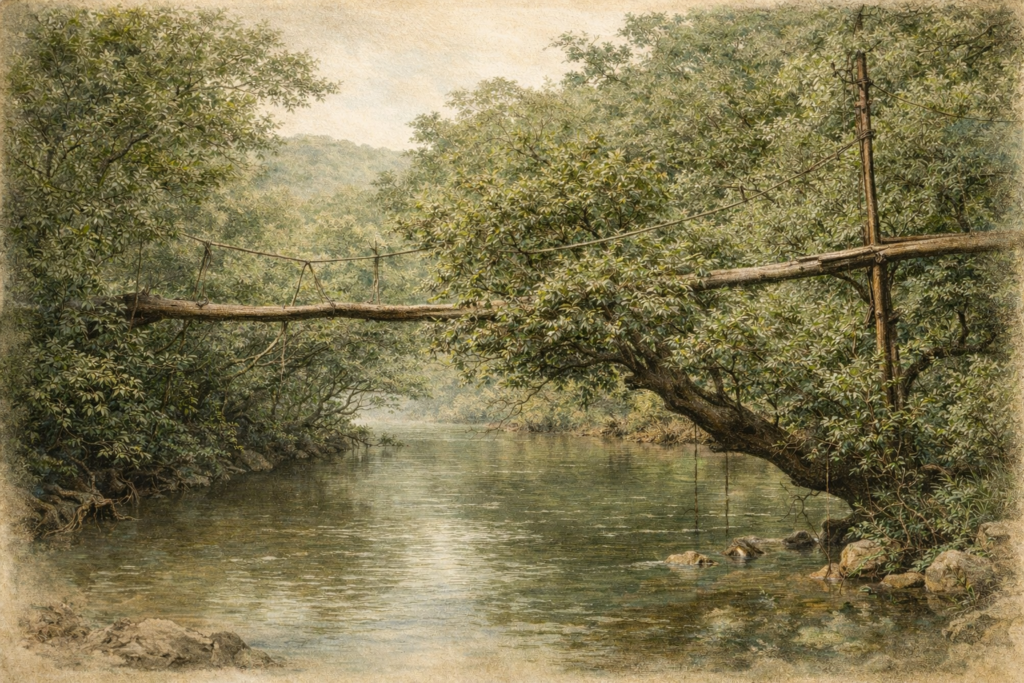
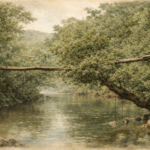
In the Western Ghats, a forest stream at dusk may appear unchanged, the canopy intact, the air still heavy with moisture and the landscape seemingly whole. But listen closely. In places where amphibian populations have declined due to habitat disturbance or pollution, that evening chorus grows thinner. The absence is subtle at first with fewer calls, fewer ripples along the water’s edge. But this silence carries ecological weight. Frogs are not only voices in the night, but they also regulate insect populations and form vital links in aquatic and terrestrial food webs.
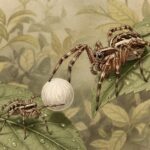
Many of these species remain overlooked not because they are unimportant, but because they are easy to miss. Some are small and blend into their surroundings, others are active only at night, appear briefly with the seasons, or live hidden beneath soil, leaf litter, water or dense vegetation. Unlike larger animals, they are rarely seen by people, difficult to photograph and often absent from popular media or conservation campaigns.
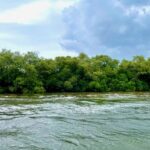
Along India’s mangrove edges, the story is similar. A mangrove creek at low tide may seem quiet and uneventful, but beneath the mud and between prop roots, crabs aerate sediment, molluscs filter water and small fish take shelter from predators. When these small species decline due to pollution, shoreline alteration, or overharvesting, the mangrove’s ability to buffer storms, cycle nutrients and support fisheries is quietly compromised. The trees may still stand, but the living machinery that sustains them grows less efficient.
These quiet, unseen species form the ecological scaffolding that holds ecosystems together. They help control populations, break down organic matter, enrich soils, pollinate plants, and maintain the delicate balance that allows forests, wetlands, grasslands and rivers to function. Their work is constant, unglamorous, and essential. When these species begin to disappear, the effects ripple outward. Ecosystems do not collapse all at once. Instead, they slowly lose resilience becoming more fragile, less productive and more vulnerable to change.
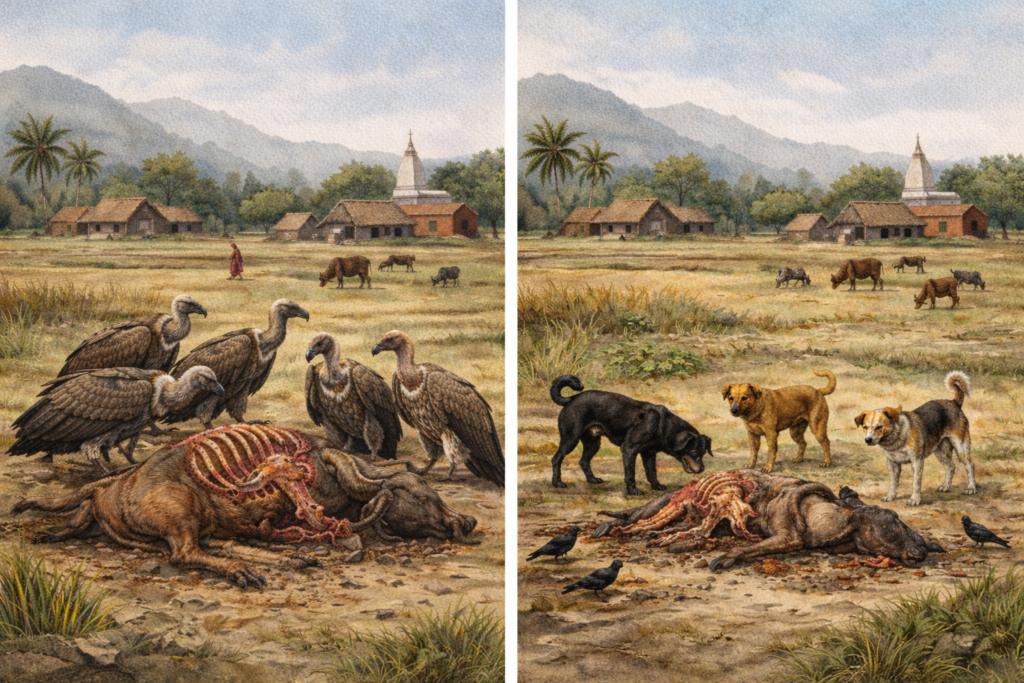
Because these changes happen quietly, they are often noticed only when something larger goes wrong. The dramatic decline of vulture populations across the country in the 1990s, caused largely by veterinary drug toxicity, revealed how essential these birds were to ecosystem health. As scavengers disappeared, carcasses accumulated, feral dog populations increased, and public health concerns followed. Vultures were never the most celebrated species in conservation imagery, yet their absence demonstrated how foundational an overlooked ecological role can be.
While well-known species can inspire care and action, protecting ecosystems requires looking beyond what easily captures attention. Conservation efforts that focus only on what is most visible often miss the bigger picture. It requires learning to notice the hidden, the small and the overlooked species that rarely make headlines but quietly keep natural systems running.
When we recognise and protect the many small lives that quietly sustain nature, conservation becomes more honest, more inclusive and more effective. Championing lesser-known species is not about shifting attention away from iconic wildlife, but about expanding the lens through which conservation is viewed.