Imagine this: You are in a movie theatre and instead of watching the film, you are scrolling through your phone. Sounds absurd, doesn’t it? Yet somehow, most of us constantly use the skip button in real life. And somewhere in between all that distraction, we stop noticing nature.
Trust us, spend enough time observing wildlife and one day you’ll be driving, notice a flicker for half a second, and go looking for it.
Observation changes the way you move through the world. But like most things, it starts small. In the beginning, it often feels like nothing is happening. Until gradually, something shifts and wildlife starts feeling familiar.
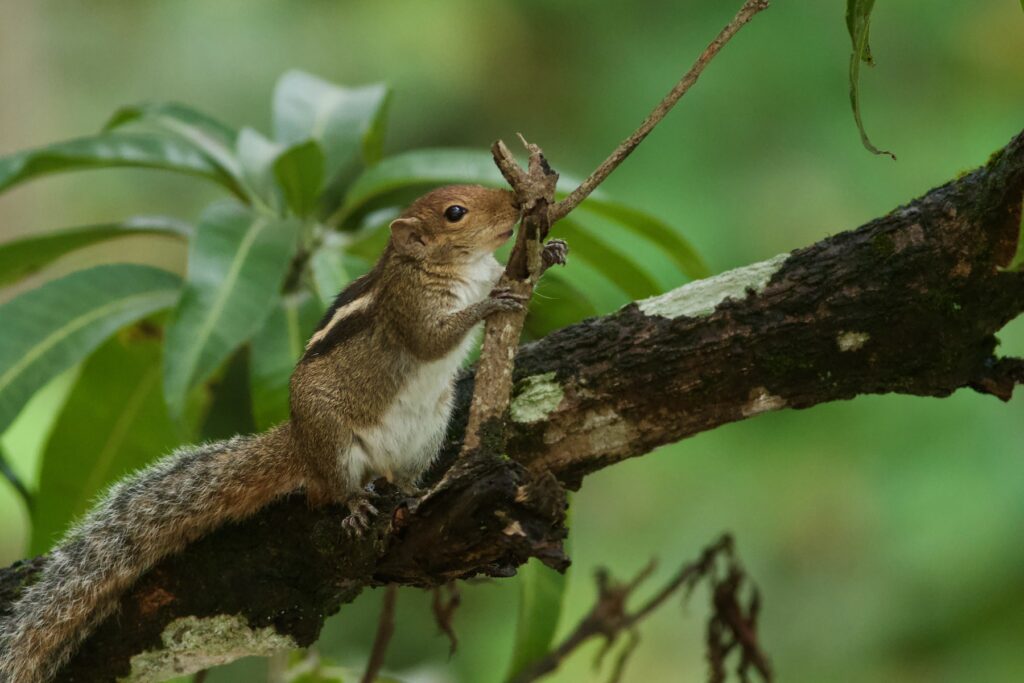
So what does one really need to notice nature, you might ask.
Let’s break it down!
Nature moves at its own pace. Birds do not suddenly appear. Animals do not showcase their behaviour in front of the camera. The truth of the matter is sometimes, nothing visible happens for long stretches.
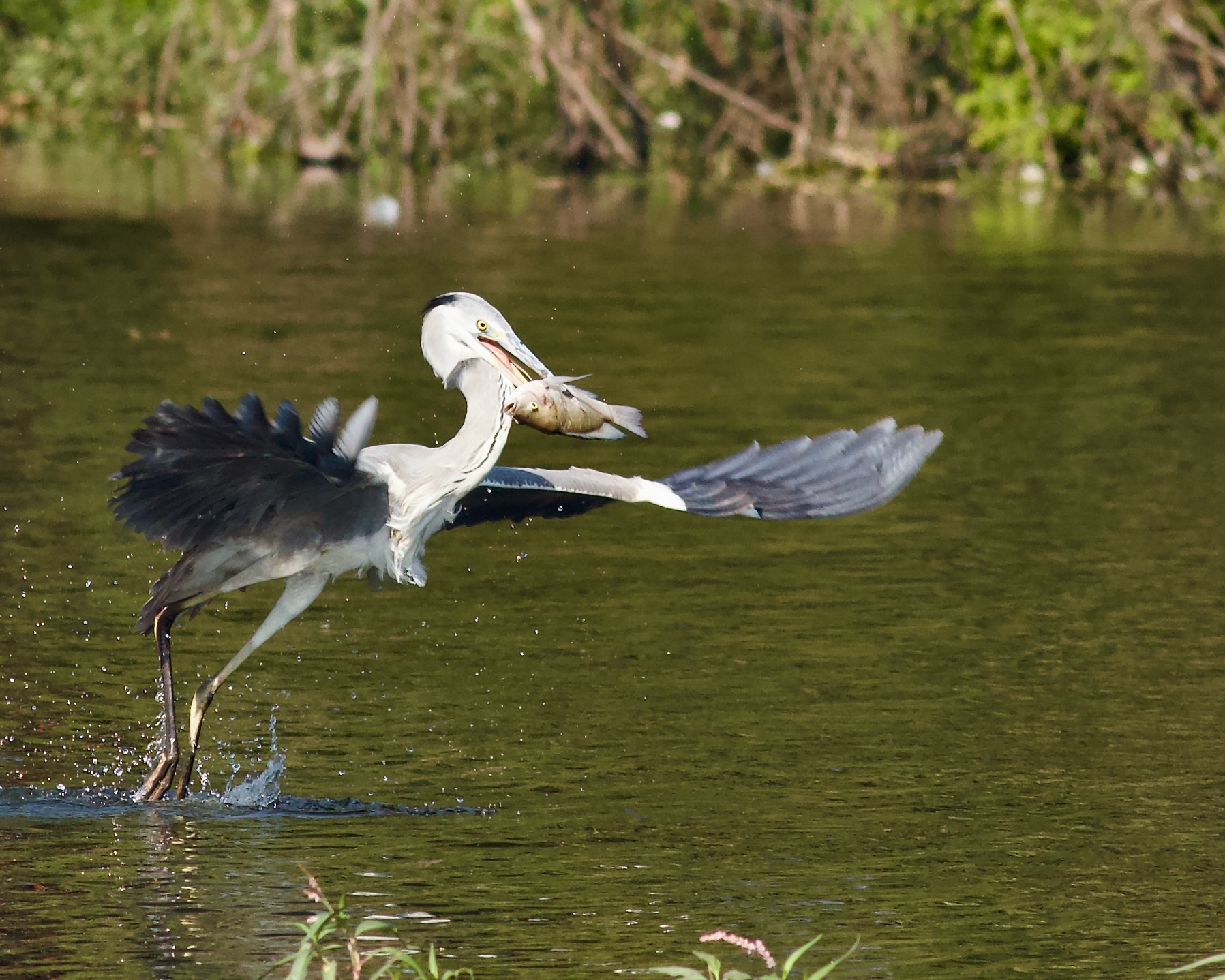
One of our co-founders often spent mornings sitting alone beside a water body. Had that not happened, we would’ve missed the incredible story of how a grey heron was spotted with a fish too large for its thin bill. It repeatedly flipped the fish until it aligned perfectly with its throat before swallowing it whole.
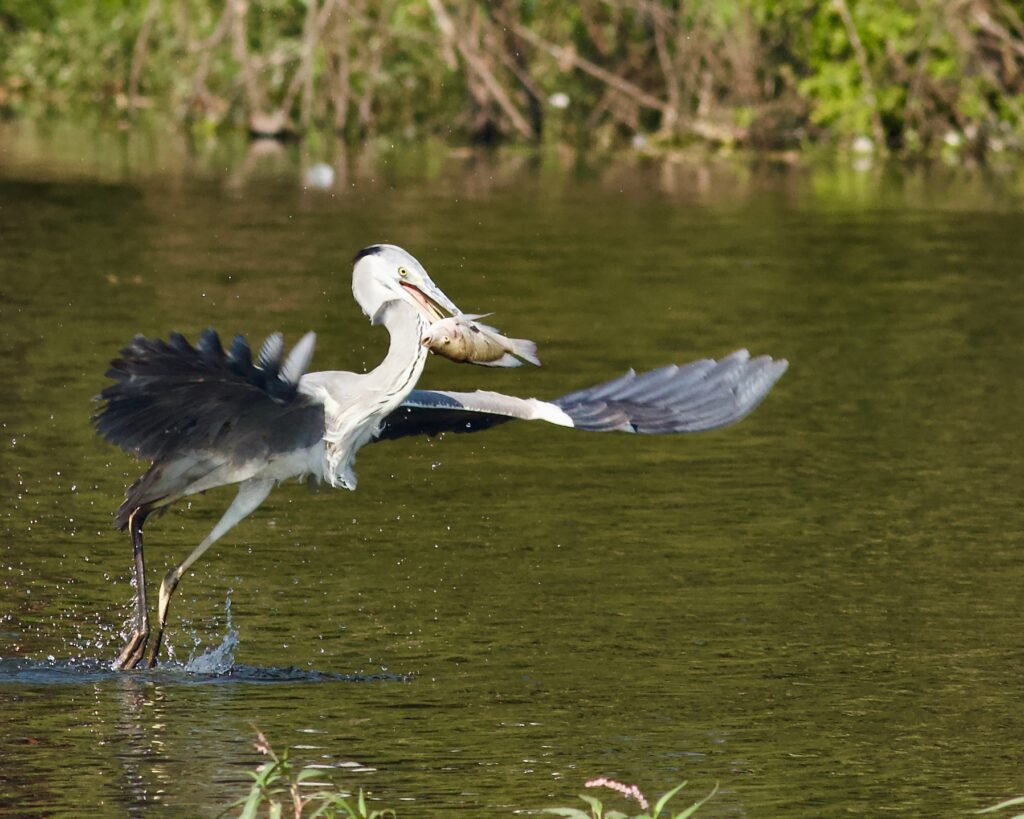
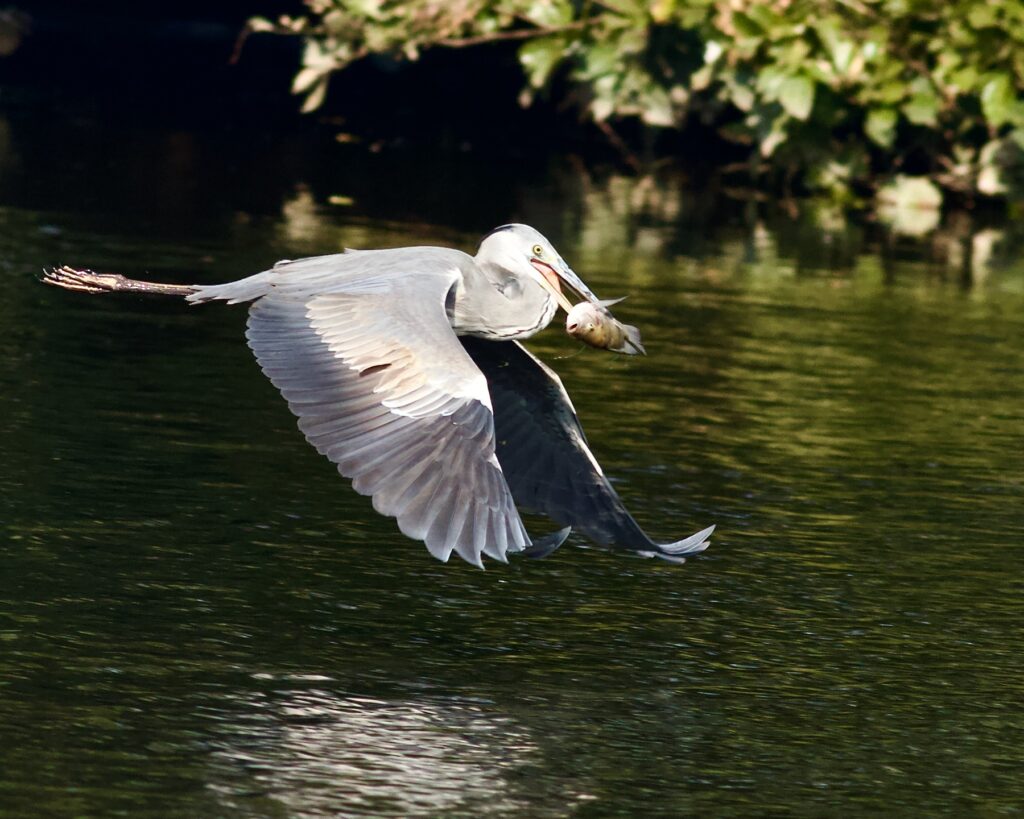
And just like that, the moment too easy to miss had become worth mentioning.
Another thing about observation is that it slowly changes how you pay attention. It’s a little like the difference between hearing and listening. We hear sounds all the time without processing them. But listening requires intention as well as attention. The same applies outdoors. Observation asks you to remain present long enough for details to reveal themselves.
And the fascinating part is that no two people observe nature the same way.
One person might become obsessed with insects. Another might spend hours looking for reptiles. Someone else may fall in love with bird calls, mammals, frogs, or even the behaviour of common pigeons around their balcony.
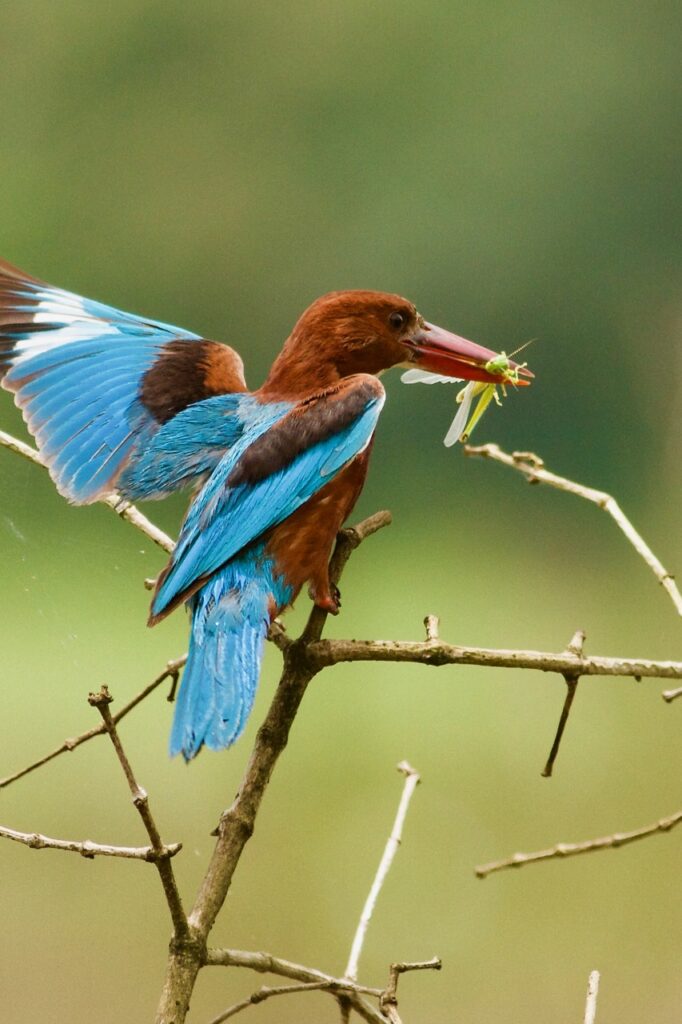
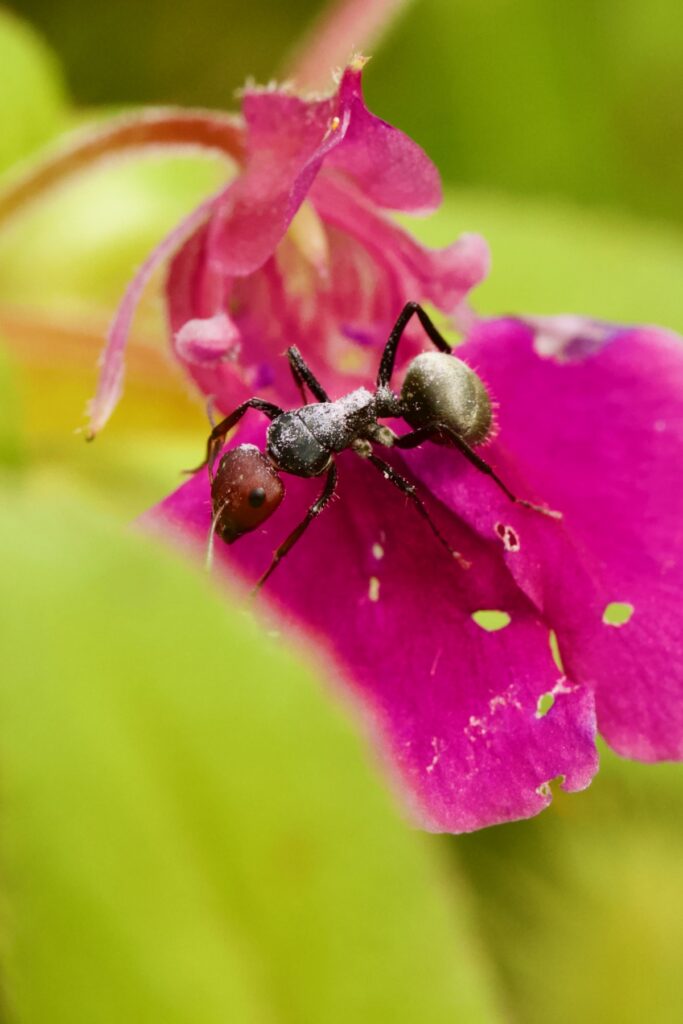
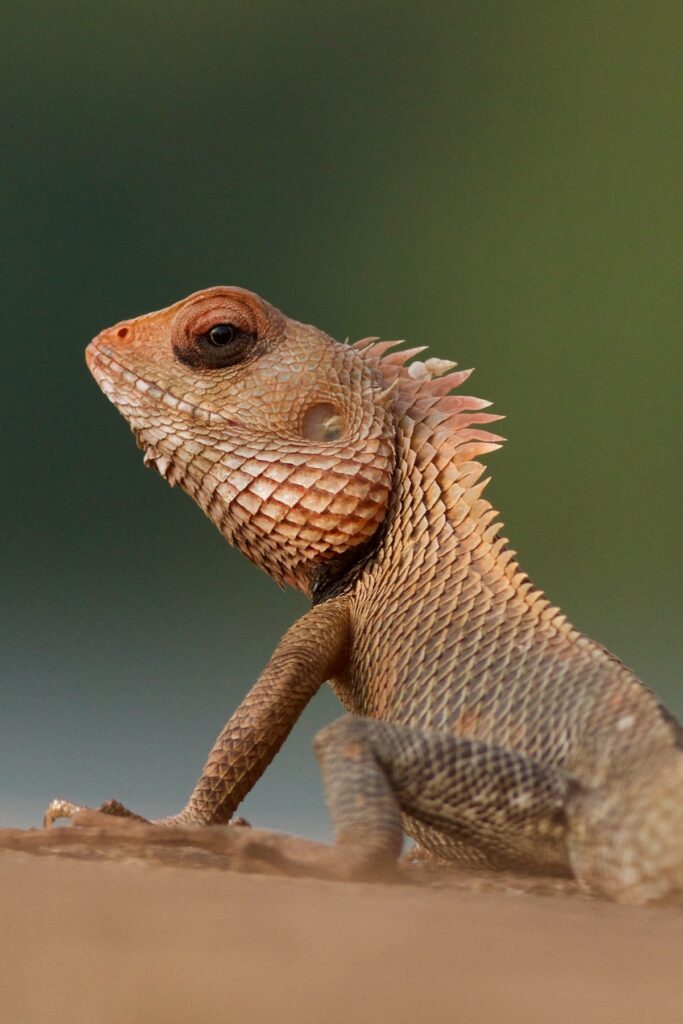
There are no rules here. You choose your pace. Your species. Your landscape.
The outdoors simply meets you where your curiosity begins.
So how may you begin noticing nature, you might ask.
One of the best ways to begin is spending time with knowledgeable people. Trails, workshops, expeditions, treks, they all help sharpen attention in ways that are difficult to experience alone initially. Someone points at a tree and says, “There.” You stare for thirty seconds and see absolutely nothing. Then suddenly the shape appears. A perfectly camouflaged bird that had been visible the entire time. It is a surprisingly humbling experience. Simply because you realise how the world has always been in motion, without ever demanding attention.
And being around observers helps you understand what naturally pulls your attention. Some people become fascinated by movement. Some by colours. Some by behaviour. Some by sounds. You only discover this by being outdoors enough.
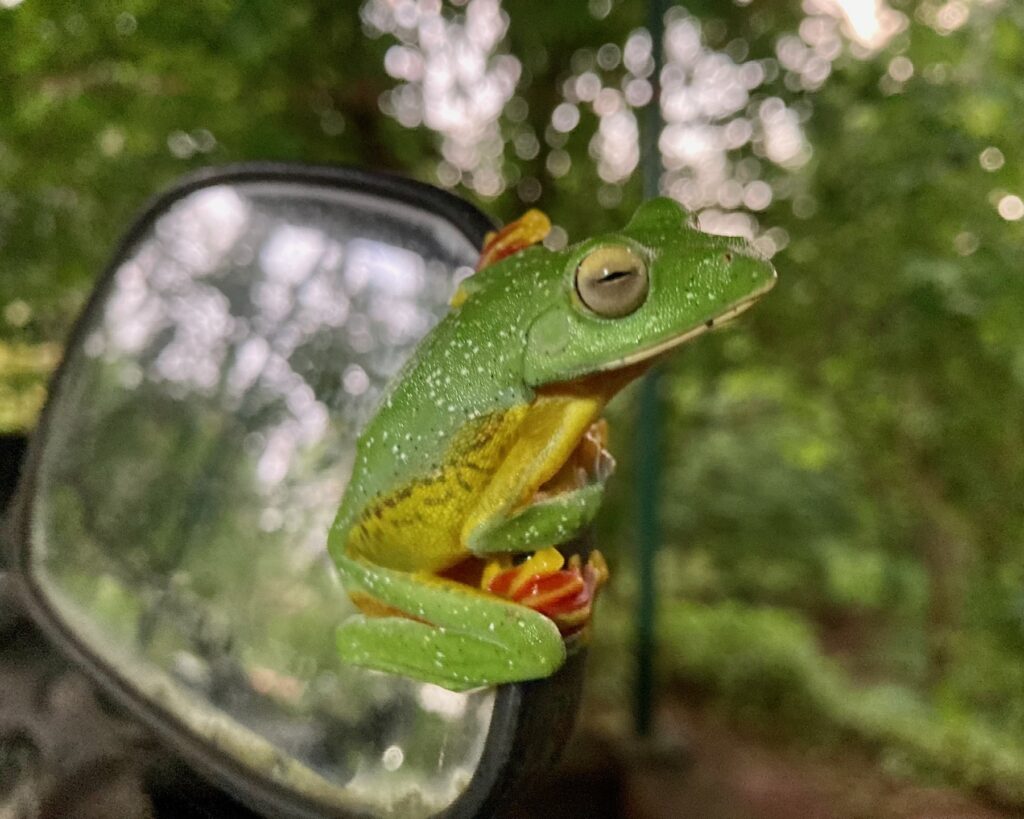
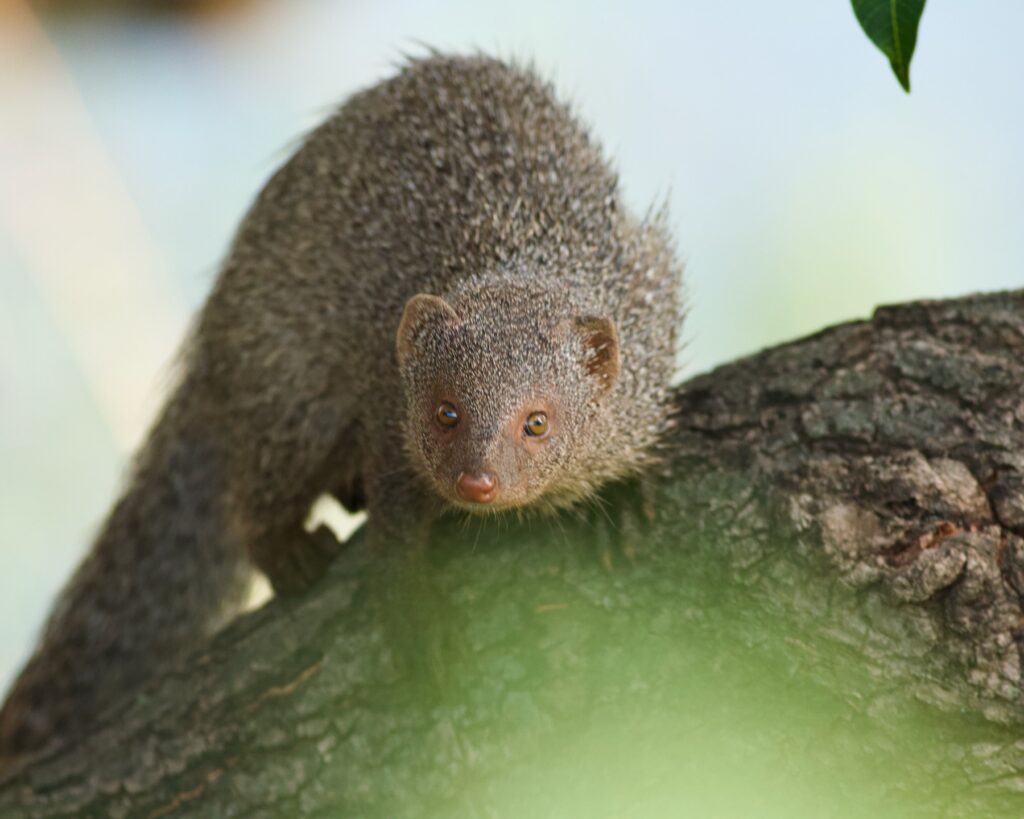
Observation itself tends to arrive in three ways. Sometimes it is purely by chance. You step outside after rain and find a frog sitting on the rear-view mirror of your bike. A mongoose appears briefly on a trek. You didn’t plan for it, the only question is whether you stop long enough to actually see it.
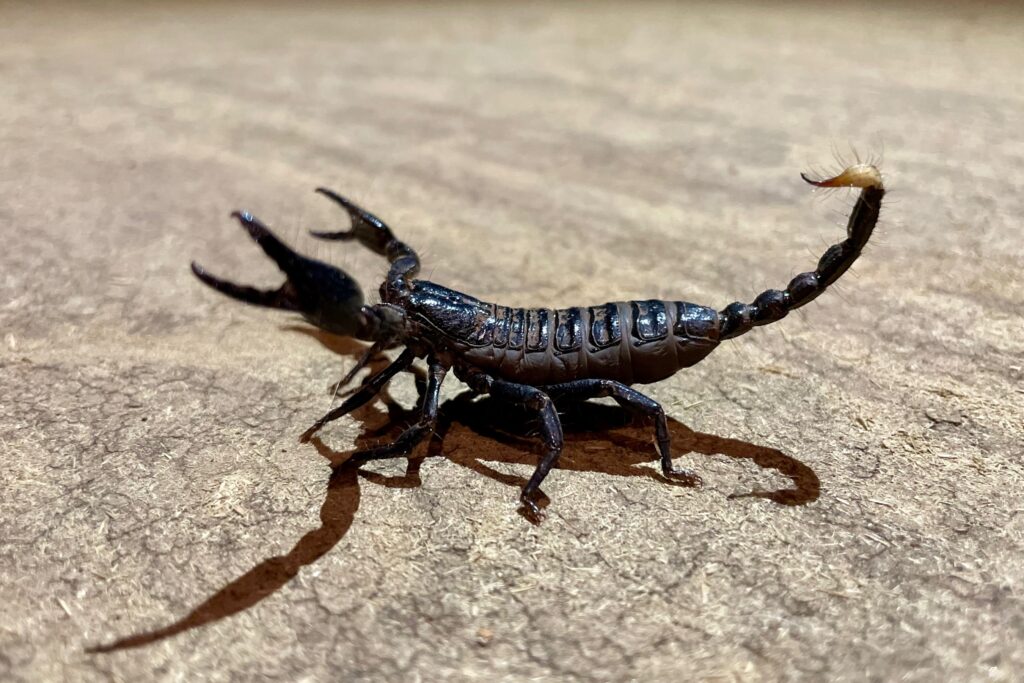
Sometimes it is opportunistic. Say you are in the middle of a herping trail when something flickers in your peripheral vision and you notice a scorpion swaying its stinger.
And then there is planned observation. This is where you start noticing based on repeated emerging patterns.
For beginners, the opportunistic kind of observation often works beautifully because it slowly trains attention without pressure.
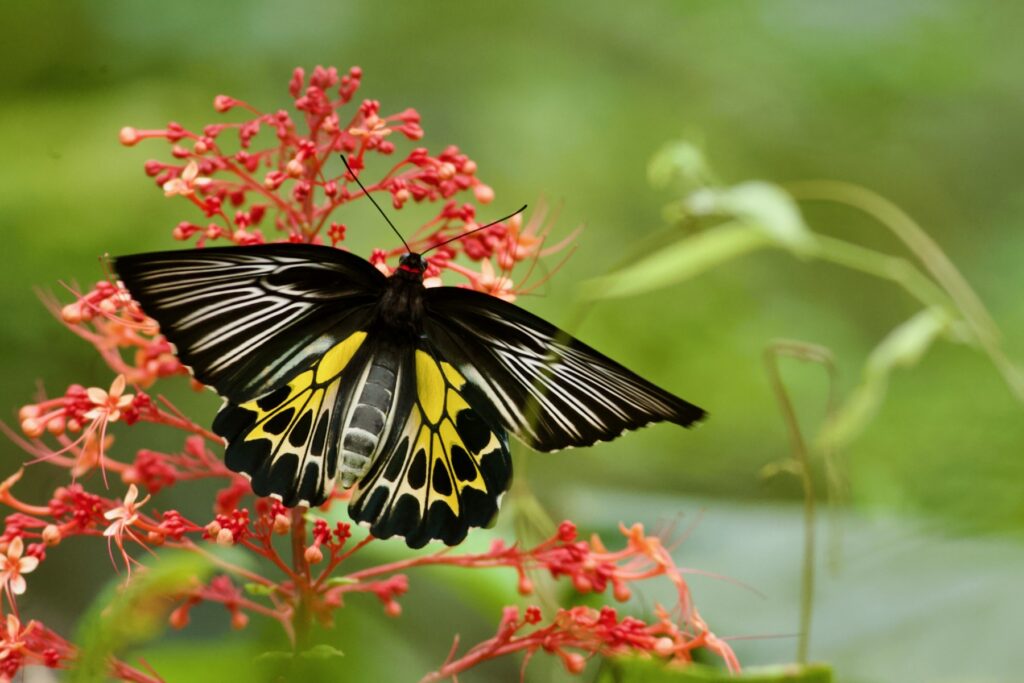
The interesting thing about the art of observation is that it begins teaching you things about yourself. Some people realise they enjoy solitude outdoors. While others might discover they love group trails. You never really know what draws your attention until you place yourself in these situations. And perhaps that is why observation feels so personal.
Eventually, you start feeling the joy of noticing nature. And one day, without realising it, you become the person who slows down the car because something moved in a tree for half a second.